What is PRP for Vaginal Rejuvenation?
PRP for vaginal rejuvenation is a modern treatment that uses your own blood to help improve vaginal health. PRP stands for platelet-rich plasma. Doctors use it to help heal and refresh tissues in many parts of the body. Now, it is also used for vaginal rejuvenation. This means it can help with dryness, mild incontinence, and even sexual comfort. Many women look for safe and natural ways to feel better. PRP therapy offers a gentle option for those seeking a non-surgical vaginal rejuvenation procedure.
How Does PRP Therapy Work?
First, a small amount of your blood is drawn, just like a regular blood test. Next, the blood is placed in a machine called a centrifuge. This machine spins the blood and separates the platelet-rich plasma from other parts. Platelets are tiny cells that help heal and repair tissues. After that, the doctor injects the PRP into specific areas of the vagina. Because the PRP comes from your own body, the risk of allergic reaction is very low. Over time, the PRP helps boost natural healing and tissue growth. As a result, many women notice improved comfort and function.
Benefits of PRP for Vaginal Rejuvenation
Many women choose PRP therapy for its gentle approach and natural results. Some of the main benefits include:
In addition, PRP therapy benefits may include better tissue health and increased confidence. However, results can vary from person to person. According to studies in medical journals, many women report positive changes after PRP vaginal treatment. Still, more research is ongoing to confirm long-term effects.
What to Expect During the Procedure
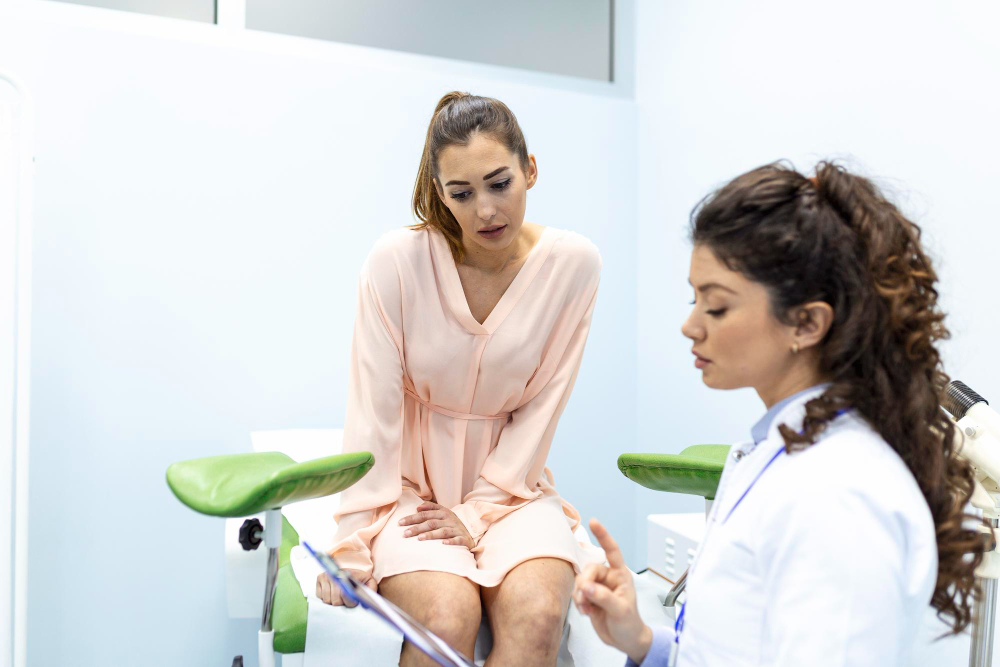
Before the procedure, your doctor will explain each step and answer your questions. First, your blood is drawn and processed to collect the PRP. Then, the doctor may apply a numbing cream to keep you comfortable. After that, the PRP is injected into targeted areas of the vagina. The whole process usually takes less than an hour. Most women feel only mild discomfort, if any. You can usually return to your normal activities the same day. However, your doctor may give you special instructions for aftercare. For best results, some women may need more than one session.
Safety, Risks, and Side Effects
PRP for vaginal rejuvenation is considered safe for most women. Because it uses your own blood, the risk of infection or allergic reaction is low. However, as with any procedure, there are some risks. Possible side effects include:
Most side effects are mild and go away quickly. Still, it is important to choose a qualified doctor for the procedure. Always discuss your medical history and any concerns before starting PRP therapy. The World Health Organization and other health groups recommend talking to a healthcare provider about new treatments.
Frequently Asked Questions
If you are interested in a safe, non-surgical option, PRP for vaginal rejuvenation may help. Consult a qualified gynecologist to discuss if PRP for vaginal rejuvenation is right for you.