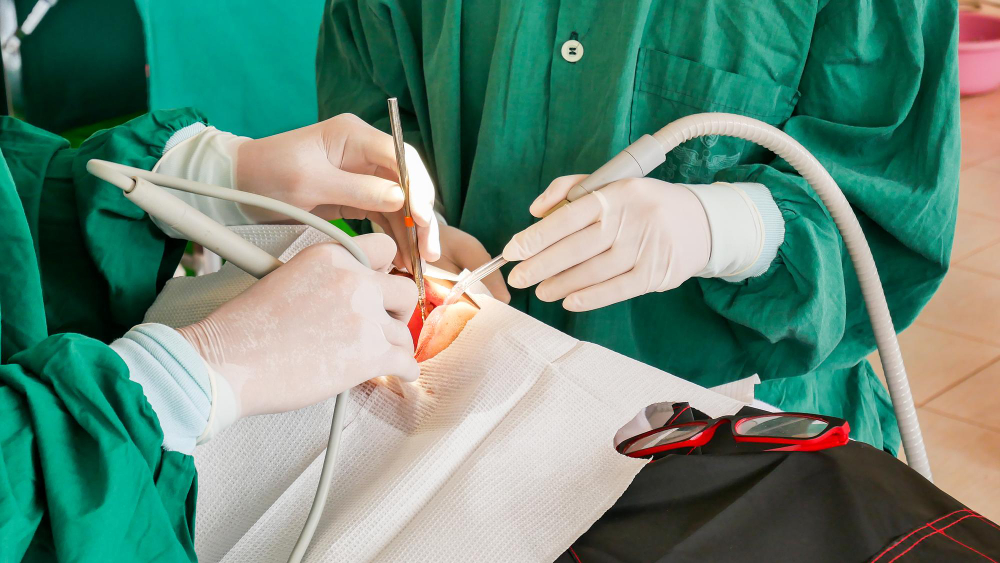
What is Laparoscopic Surgery?
Laparoscopic surgery is a type of minimally invasive gynecologic surgery. Doctors use small cuts and a thin tube with a camera to see inside the body. This method is often called keyhole surgery. Many women need this surgery for problems like ovarian cysts, endometriosis, or fibroids. Because the cuts are small, patients usually heal faster. Laparoscopic surgery is now common in many hospitals and clinics. In fact, it is safer and less painful than open surgery. The benefits of laparoscopy make it a popular choice for both doctors and patients.
How is the Procedure Performed?
First, the doctor gives you anesthesia, so you sleep during the surgery. Next, a small cut is made near your belly button. Then, a thin tube called a laparoscope is placed through the cut. The camera on the tube shows pictures on a screen. After that, the doctor may make one or two more small cuts. Special tools are used to treat the problem inside your body. Once the surgery is done, the tools are removed. Finally, the cuts are closed with stitches or small strips. Most patients go home the same day. However, some may stay overnight for observation.
Key Benefits of Laparoscopic Surgery
Laparoscopic surgery offers many advantages over traditional open surgery. For example, patients often feel less pain after the procedure. Also, the risk of infection is lower. Here are some key benefits:
Because of these benefits, many women choose laparoscopic surgery for gynecologic problems. According to the World Health Organization, minimally invasive surgery is safe and effective for most patients.
Recovery Process and Aftercare
After laparoscopic surgery, recovery is usually quick. Most women can walk a few hours after the procedure. However, you may feel tired or have mild pain for a few days. Your doctor will give you pain medicine if needed. It is important to follow all aftercare instructions. For example, keep the cuts clean and dry. Also, avoid heavy lifting for at least two weeks. If you notice fever, redness, or swelling, call your doctor right away. Most patients return to work or school within one to two weeks. Recovery time may vary based on the type of surgery and your health.
Tips for a Smooth Recovery
To help your body heal, follow these simple tips:
With proper care, most women recover quickly from laparoscopic procedures. If you have any concerns, do not hesitate to contact your healthcare provider.
In summary, laparoscopic surgery is a safe and effective choice for many gynecologic problems. It offers faster recovery and fewer risks than open surgery. Consult a gynecologist or healthcare specialist for personalized advice about laparoscopic surgery.