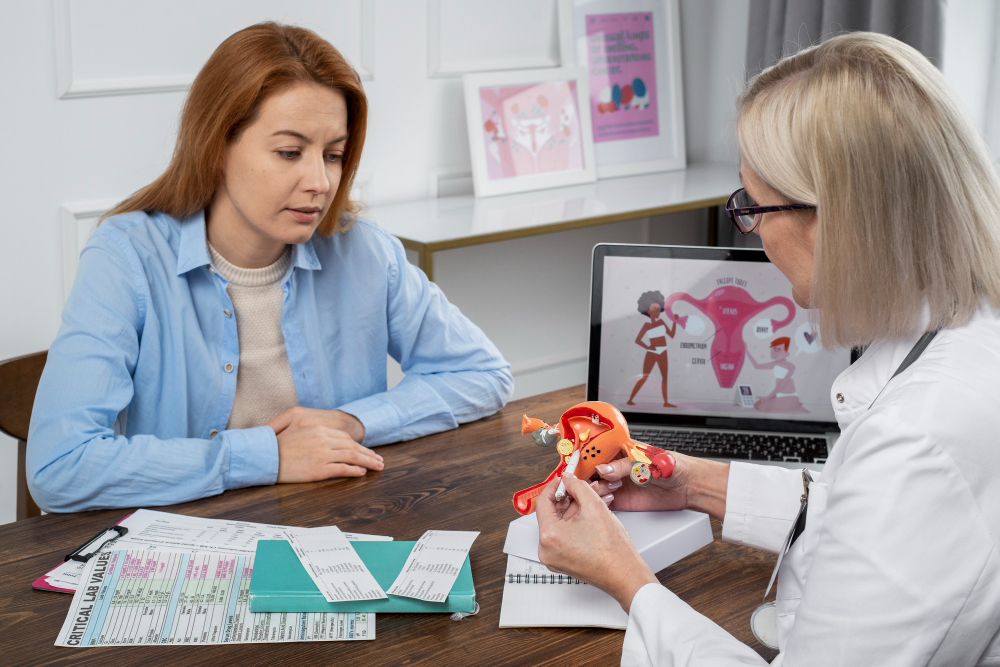
What Is Hysteroscopy?
Hysteroscopy is a simple, minimally invasive procedure. Doctors use it to look inside a woman’s uterus. During hysteroscopy, a thin, lighted tube called a hysteroscope is gently inserted through the vagina and cervix. This tool allows doctors to see the lining of the uterus clearly. Because it is less invasive than surgery, recovery is usually quick. Many women have this procedure to help diagnose or treat problems related to their reproductive health.
Why Is Hysteroscopy Important for Women’s Health?
Hysteroscopy plays a key role in women’s reproductive health. It helps doctors find the cause of symptoms like heavy periods, bleeding between periods, or trouble getting pregnant. In addition, hysteroscopy can help treat some problems right away. For example, doctors can remove small growths or take tissue samples during the same procedure. Because it is both a diagnostic and treatment tool, hysteroscopy is very important for women’s health care.
Common Reasons for Hysteroscopy
Doctors may recommend hysteroscopy for several reasons. Some of the most common include:
Because hysteroscopy can both diagnose and treat, it is often chosen over more invasive surgeries.
How Is Hysteroscopy Performed?
Hysteroscopy is usually done in a doctor’s office or hospital. Here is what you can expect:
Because the procedure is quick and uses small tools, most women recover fast.
Benefits and Risks of Hysteroscopy
Benefits
Risks
According to the American College of Obstetricians and Gynecologists, serious risks are rare. Most women have no major problems after hysteroscopy.
What to Expect Before, During, and After the Procedure
Before the Procedure
During the Procedure
After the Procedure
Because recovery is quick, many women prefer hysteroscopy over other procedures.
Frequently Asked Questions (FAQs)
When to Consult a Gynecologist
If you have heavy periods, unusual bleeding, or trouble getting pregnant, talk to a gynecologist. Early diagnosis can help treat problems before they get worse. Because every woman’s health is unique, a doctor can explain if hysteroscopy is right for you. For women in need of a hysteroscopy procedure, many clinics and hospitals offer this service. Always choose a trusted provider for your care.
Consult a gynecologist for personalized advice about hysteroscopy and your reproductive health.