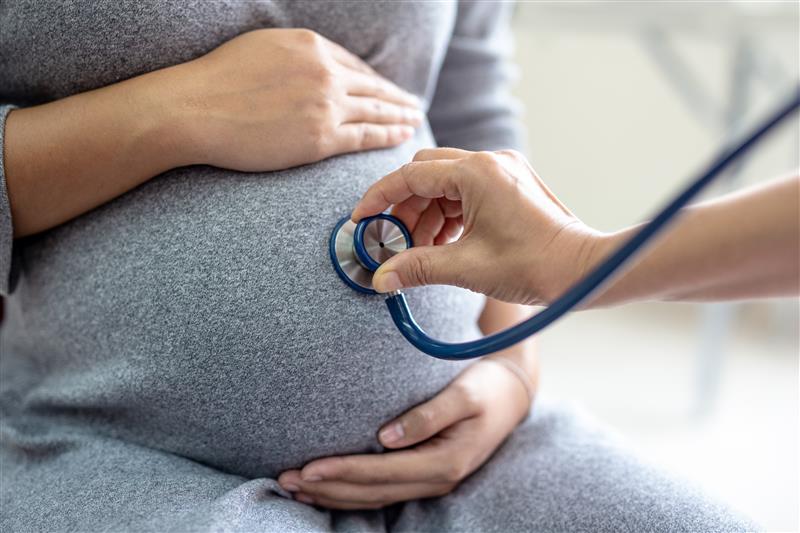
What is a High-Risk Pregnancy?
A high-risk pregnancy means there is a greater chance of health problems for the mother, baby, or both. Some women start pregnancy with risks, while others develop them later. Because of this, doctors watch high-risk pregnancies more closely. Early care can help prevent serious issues. According to the CDC, about 6-8% of pregnancies are considered high-risk each year.
Causes of High-Risk Pregnancy
Many factors can make a pregnancy high-risk. Some are present before pregnancy, while others develop during it. For example, age and health conditions play a big role. Here are common causes:
Because these risks vary, doctors create a care plan for each woman.
Common Symptoms and Warning Signs
It is important to know the signs of high-risk pregnancy. Early action can help keep you and your baby safe. Watch for these symptoms:
If you notice any of these, contact your doctor right away. Quick care can prevent complications.
Diagnosis and Monitoring
Doctors use several steps to diagnose and monitor high-risk pregnancy. First, they review your medical history and ask about symptoms. Next, they may order tests. For example, you may need:
Because risks can change, regular check-ups are important. Your doctor may suggest more visits than usual. This helps catch problems early.
Treatment and Management Options
Managing high-risk pregnancy often means extra care. Treatment depends on the cause and symptoms. For example, your doctor may:
Because each case is different, your care plan may change over time. Always follow your doctor’s advice for the best results.
Lifestyle Tips for Expectant Mothers
Healthy habits can help manage high-risk pregnancy. Even small changes make a big difference. Try these pregnancy care tips:
Because stress can affect your health, try relaxation techniques like deep breathing or gentle walks.
Prevention and When to Seek Help
While not all high-risk pregnancies can be prevented, some steps lower your risk. For example, see your doctor before getting pregnant if you have health problems. Also, start prenatal care early and keep all appointments. If you notice any warning signs, seek help right away. Quick action can protect you and your baby.
If you need high-risk pregnancy care in your area, ask your doctor for local options. Many hospitals have special teams for managing high-risk pregnancy complications.
Consult a qualified obstetrician or gynecologist for personalized advice on high-risk pregnancy.