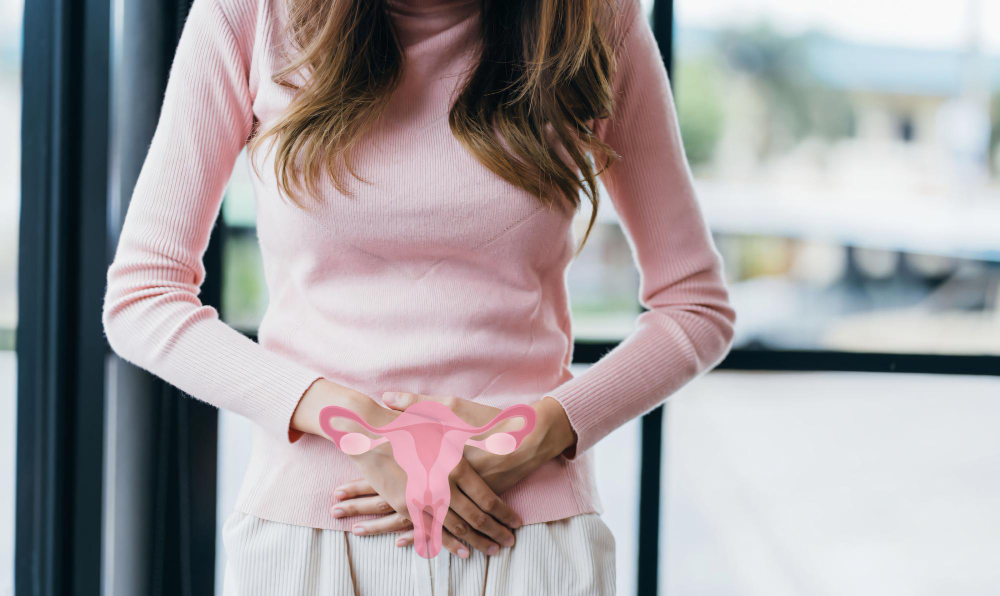
Introduction to Primary Ovarian Insufficiency (POI)
Primary Ovarian Insufficiency (POI) happens when the ovaries stop working well before age 40. As a result, women with POI may have fewer eggs and lower hormone levels. This condition is sometimes called early menopause, but it is not the same. While both cause periods to stop, POI can be unpredictable. For example, some women may still have periods or even become pregnant. According to the CDC, POI affects about 1 in 100 women under 40. Because it can impact fertility and health, understanding POI symptoms and causes is important.
Common Symptoms of POI
POI symptoms can look like those of menopause. However, they may appear much earlier. Early signs can be mild or strong. For instance, some women may notice changes in their periods, while others may have hot flashes. Common symptoms include:
Because these symptoms can be caused by other issues, it is important to talk to a doctor if you notice them.
Causes and Risk Factors
Although the exact cause of Primary Ovarian Insufficiency is often unknown, several factors may play a role. Sometimes, POI runs in families. Other times, it can happen after certain medical treatments. Here are some possible causes and risk factors:
Even though some risk factors cannot be changed, knowing them can help you seek care sooner.
How POI is Diagnosed
Doctors use several steps to make a primary ovarian insufficiency diagnosis. First, they ask about your symptoms and medical history. Next, they may do a physical exam. After that, blood tests check hormone levels. For example, high levels of follicle-stimulating hormone (FSH) and low estrogen can point to POI. Sometimes, doctors may order genetic tests or an ultrasound to look at the ovaries. Because other conditions can cause similar symptoms, doctors rule out other causes before confirming POI.
Treatment Options for POI
Although there is no cure for POI, several POI treatment options can help manage symptoms. Treatment depends on your age, health, and plans for pregnancy. Common treatments include:
Because each person is different, your doctor will help you choose the best plan.
Lifestyle Tips and Coping Strategies
Living with POI can be challenging, but healthy habits can help. For example, eating a balanced diet supports your bones and heart. In addition, regular exercise keeps your body strong. Here are some tips to cope with POI:
Because support matters, reach out to friends, family, or professionals when you need help.
Prevention and When to Seek Help
Currently, there is no sure way to prevent Primary Ovarian Insufficiency. However, early detection can help you manage symptoms and protect your health. If you notice changes in your periods or have trouble getting pregnant, talk to your doctor. In addition, seek help if you have hot flashes, mood changes, or bone pain. Early menopause causes can be serious, so do not ignore symptoms. Your doctor can guide you through primary ovarian insufficiency diagnosis and treatment options.
For personalized advice on Primary Ovarian Insufficiency (POI), consult a healthcare specialist. Early care can make a big difference in your health and well-being.