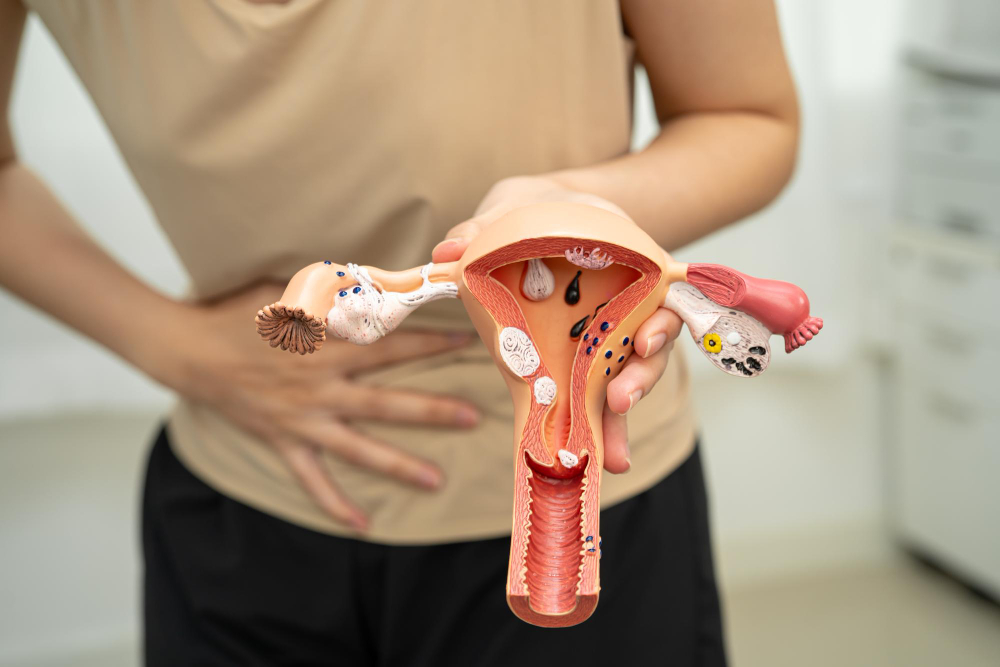
What Are Fibroids?
Fibroids are non-cancerous growths that form in or on the uterus. Many women develop fibroids during their reproductive years. Although fibroids are common, most are harmless. However, some can cause discomfort or other health issues. Uterine fibroids can vary in size, from tiny spots to large masses. Often, women may not know they have fibroids because they do not always cause symptoms.
Common Symptoms of Fibroids
Not all fibroids cause problems. Still, some women may notice changes in their bodies. For example, you might experience:
Sometimes, fibroids can lead to problems with pregnancy or fertility. However, many women with fibroids have healthy pregnancies.
Causes and Risk Factors
Doctors do not know the exact cause of fibroids. Even so, several factors can raise your risk. For instance:
According to the CDC, fibroids are more common in women aged 30 to 50. Additionally, African American women are at higher risk.
How Are Fibroids Diagnosed?
If you have symptoms, your doctor may suggest tests. Usually, a pelvic exam is the first step. After that, your doctor may use:
Early diagnosis can help you manage fibroid symptoms better. Therefore, talk to your doctor if you notice any changes.
Treatment Options for Fibroids
Treatment depends on your symptoms, age, and plans for pregnancy. In many cases, no treatment is needed if fibroids are small and not causing problems. However, if you need help, there are several options:
Medical Treatments
Surgical Treatments
Lifestyle and Home Remedies
Always discuss your options with your doctor. Each treatment has benefits and risks.
Prevention and Lifestyle Guidance
While you cannot always prevent fibroids, healthy habits may lower your risk. For example:
Although these steps may help, they do not guarantee prevention. Still, a healthy lifestyle supports your overall well-being.
When to See a Doctor
Sometimes, fibroids do not cause any problems. However, you should see a doctor if you have:
Early care can help you feel better and avoid complications. Therefore, do not wait if you notice new or worsening symptoms.
Summary
In summary, fibroids are common and often harmless. But, they can cause symptoms that affect your daily life. Many treatment options exist, including non-surgical fibroid management. Because every woman is different, it is important to talk to a doctor about your symptoms and needs.
Consult a gynecologist for personalized advice on fibroids.