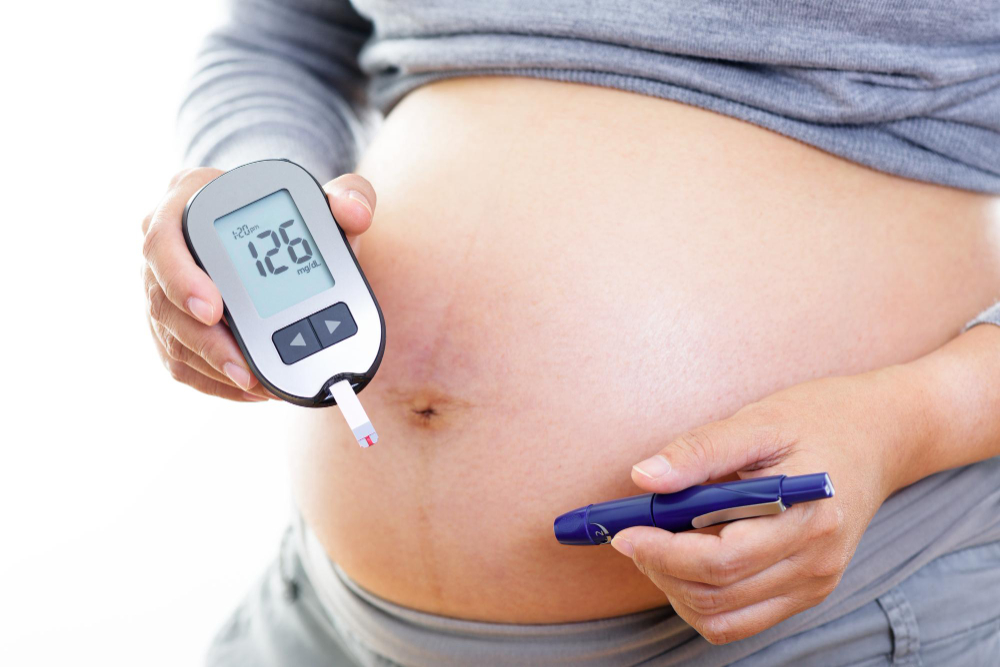
What is Gestational Diabetes?
Gestational diabetes is a type of diabetes that develops during pregnancy. It means your blood sugar, or glucose, is higher than normal. Usually, this condition starts in the middle of pregnancy. Many women do not have symptoms. However, doctors check for it with a blood test. Gestational diabetes can affect both the mother and the baby. Because of this, it is important to manage blood sugar levels. High blood sugar in pregnancy can lead to health risks for the newborn. According to the CDC, about 2% to 10% of pregnancies in the US are affected by gestational diabetes.
How Does Gestational Diabetes Affect the Baby?
When a mother has gestational diabetes, her blood sugar passes through the placenta to the baby. As a result, the baby’s body makes extra insulin to handle the extra sugar. This can cause several problems for the baby, both before and after birth. Therefore, controlling maternal glucose levels is very important. Risks to the newborn can be reduced with good care and regular check-ups.
Short-Term Effects on the Newborn
Gestational diabetes can cause several short-term effects on the baby. Some of the most common include:
Because of these risks, doctors often monitor babies closely after birth. Early care helps prevent serious problems.
Long-Term Health Risks for the Child
Gestational diabetes can also affect a child’s health later in life. For example, children born to mothers with high blood sugar in pregnancy may have a higher risk of:
However, not all children will face these issues. Good management during pregnancy can lower these risks. According to the American Diabetes Association, healthy habits can make a big difference for both mother and child.
Prevention and Management Tips for Expectant Mothers
Although gestational diabetes cannot always be prevented, there are steps you can take to lower risks. Here are some helpful tips:
In addition, keeping a healthy weight before and during pregnancy can help. Early action can prevent many pregnancy blood sugar complications.
When to Consult a Healthcare Provider
If you are pregnant and have questions about gestational diabetes, talk to your doctor. You should also contact your healthcare provider if you notice:
Remember, early care can protect both you and your baby. Your doctor can help you make a plan that fits your needs.
In summary, gestational diabetes can affect your baby in many ways. But with good care, most mothers and babies stay healthy. For the best advice, always consult your healthcare provider.
Sources: Centers for Disease Control and Prevention (CDC),