Pregnancy Nutrition and Fitness Guide — Tips for a Healthy Mother and Baby

Introduction

Good nutrition and regular exercise during pregnancy help both mother and baby stay healthy. In fact, following the right pregnancy nutrition tips and safe exercises for pregnant women can lower risks and boost well-being. This guide explains how to eat well, stay active, and make smart choices for a healthy pregnancy.

Essential Nutritional Guidelines

Eating the right foods is important for your baby’s growth and your own health. Moreover, a healthy pregnancy diet gives you energy and helps prevent problems.

Key Nutrients to Include

  • Protein: Supports baby’s growth. Try eggs, lean meat, beans, and nuts.
  • Calcium: Builds strong bones. Choose milk, cheese, or yogurt.
  • Iron: Prevents anemia. Eat spinach, lentils, or lean red meat.
  • Folic Acid: Lowers birth defect risk. Find it in leafy greens, beans, and fortified cereals.
  • Vitamin D: Helps absorb calcium. Get it from sunlight, eggs, or fortified milk.
  • Hydration

    Staying hydrated is key. Therefore, drink at least 8-10 glasses of water daily. You may need more if you exercise or live in a hot area.

    Foods to Avoid

  • Raw or undercooked meat, eggs, or fish
  • Unpasteurized milk or cheese
  • High-mercury fish like shark or swordfish
  • Too much caffeine (limit to 1-2 cups of coffee per day)
  • Alcohol and tobacco
  • Safe Exercise Tips

    Exercise during pregnancy helps you feel better and prepares your body for birth. However, always check with your doctor before starting any new activity.

    Recommended Activities

  • Walking: Easy and safe for most women
  • Swimming: Gentle on joints and helps reduce swelling
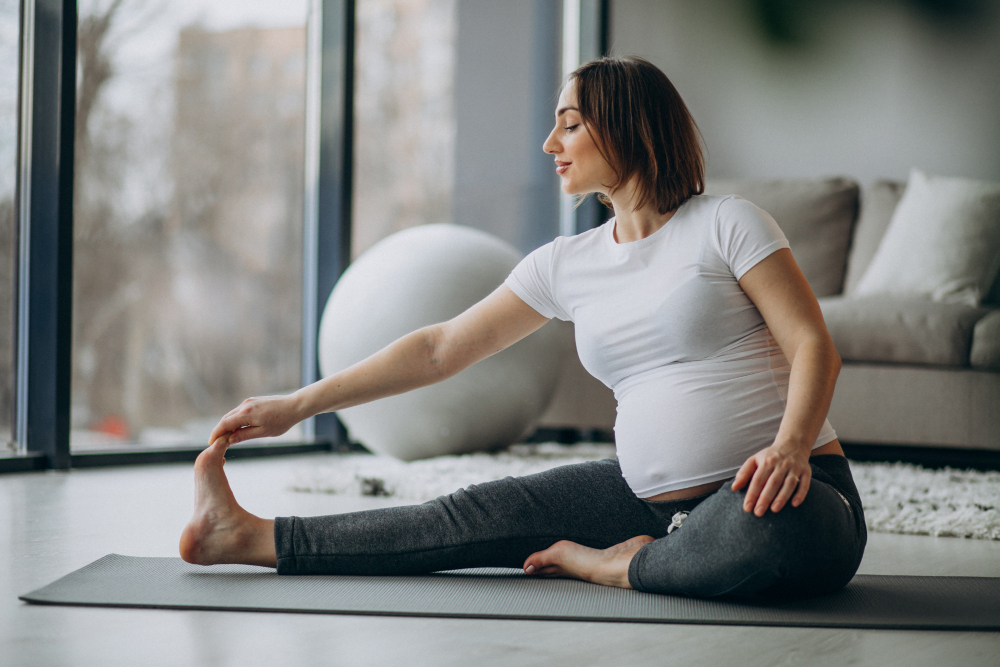
  • Prenatal yoga: Improves flexibility and reduces stress
  • Stationary cycling: Low-impact and safe indoors
  • How Often to Exercise

    Most experts suggest at least 30 minutes of moderate activity on most days. But listen to your body and rest when needed.

    Safety Precautions

  • Start slow if you are new to exercise
  • Stay cool and drink water before, during, and after activity
  • Avoid lying flat on your back after the first trimester
  • Stop if you feel dizzy, short of breath, or have pain
  • Exercises to Avoid

  • Contact sports like soccer or basketball
  • Activities with a risk of falling, such as skiing
  • Heavy lifting or high-impact workouts
  • Benefits of Good Nutrition and Exercise

    Eating well and staying active offer many benefits. For example, they can:

  • Reduce the risk of gestational diabetes
  • Help control weight gain
  • Boost energy and mood
  • Support healthy baby growth
  • Lower the chance of high blood pressure
  • Additionally, regular exercise may make labor and recovery easier.

    Common Myths and Facts

  • Myth: You should eat for two.
  • Fact: You only need a small increase in calories, especially in the second and third trimesters.
  • Myth: Exercise can harm the baby.
  • Fact: Safe, moderate exercise is healthy for most women.
  • Myth: All fish are unsafe.
  • Fact: Many fish are safe and provide important nutrients. Just avoid high-mercury types.
  • Practical Lifestyle Tips

    Making healthy choices every day can be simple. Here are some tips to help:

  • Plan meals ahead to include fruits, vegetables, and whole grains
  • Keep healthy snacks like nuts or yogurt handy
  • Take short walks after meals
  • Join a prenatal exercise class for support
  • Set reminders to drink water throughout the day
  • Ask family to help with chores so you can rest
  • Sometimes, you may feel tired or busy. Even so, small steps can make a big difference.

    Prevention of Common Issues

    Good habits help prevent problems like gestational diabetes, too much weight gain, and fatigue. For instance, eating balanced meals and staying active can keep blood sugar steady. Also, regular exercise helps manage weight and boosts energy. If you feel very tired, try resting more and eating small, frequent meals.

    When to Seek Medical Advice

    Always talk to your healthcare provider before making big changes to your diet or exercise routine. Seek help if you:

  • Have severe nausea or vomiting
  • Feel dizzy, short of breath, or have chest pain
  • Notice swelling, headaches, or vision changes
  • Experience bleeding or severe cramps
  • Your doctor can give advice that fits your needs and keeps you and your baby safe.

    Conclusion

    In summary, following nutrition and exercise tips during pregnancy supports a healthy journey for both mother and baby. For the best results, consult your healthcare provider for personalized nutrition and exercise advice during pregnancy.